Green Tea Extract, Explained: The Best-Studied Ingredient In This Formula
Green Tea Extract is one of the most researched plant extracts in the wellness category, valued for its naturally occurring polyphenols, including catechins.
Understanding what the research actually supports, and its limits for weight management specifically, helps set realistic expectations.
What Green Tea Extract is
Green Tea Extract is derived from the leaves of Camellia sinensis, the same plant used to make green, black and oolong tea. Unlike black tea, green tea is minimally oxidised during processing, preserving higher levels of catechins, a class of antioxidant polyphenols.
What the research generally covers
Green tea catechins have been studied across a wide range of contexts, including general antioxidant activity, cardiovascular markers, and in some research, modest effects on metabolic rate. This is a genuinely large and ongoing body of research, though findings across different studies and populations vary considerably. General background is available through the NIH Office of Dietary Supplements.
Why 'promising but ongoing' is the honest summary
Green tea extract is not a settled, dramatic weight-loss ingredient the way marketing sometimes implies. Its research base includes genuinely positive findings in some contexts alongside more modest or mixed results in others, which is why we describe it here as promising and ongoing rather than proven for any single specific outcome.
Why it is a reasonable formula choice regardless
Even without a dramatic standalone weight-loss claim, green tea extract's broad antioxidant profile and long safety history make it a low-risk, genuinely useful component of a general wellness formula like AlkaMelt.
Applying this to AlkaMelt
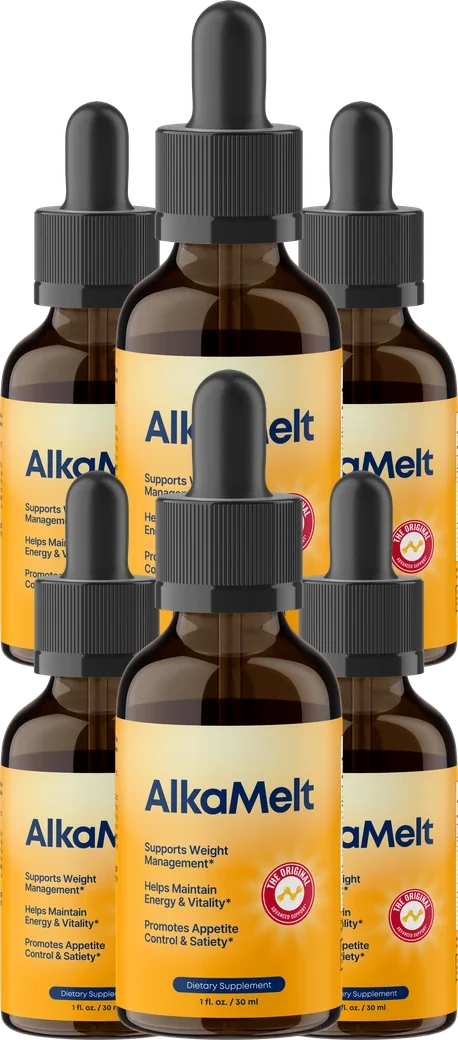
Green Tea Extract is the lead ingredient in AlkaMelt's six-ingredient formula, and the one with the broadest research base here, even though that research supports general wellness more directly than a specific weight-loss claim.